
Blackout Blinds for Shift Workers
Your body needs darkness to produce melatonin and fall into deep, restorative sleep. When you work night shift, the sun is your enemy. My Blackout portable blackout blinds attach to any window in under two minutes with industrial-strength suction cups, giving you total darkness whenever you need it. No drilling. No landlord approval. No permanent changes.
Whether you are a nurse finishing a 12-hour overnight, a FIFO worker on a remote site, or a paramedic between callouts, My Blackout turns any bedroom into a pitch-black sleep sanctuary.
Shop My Blackout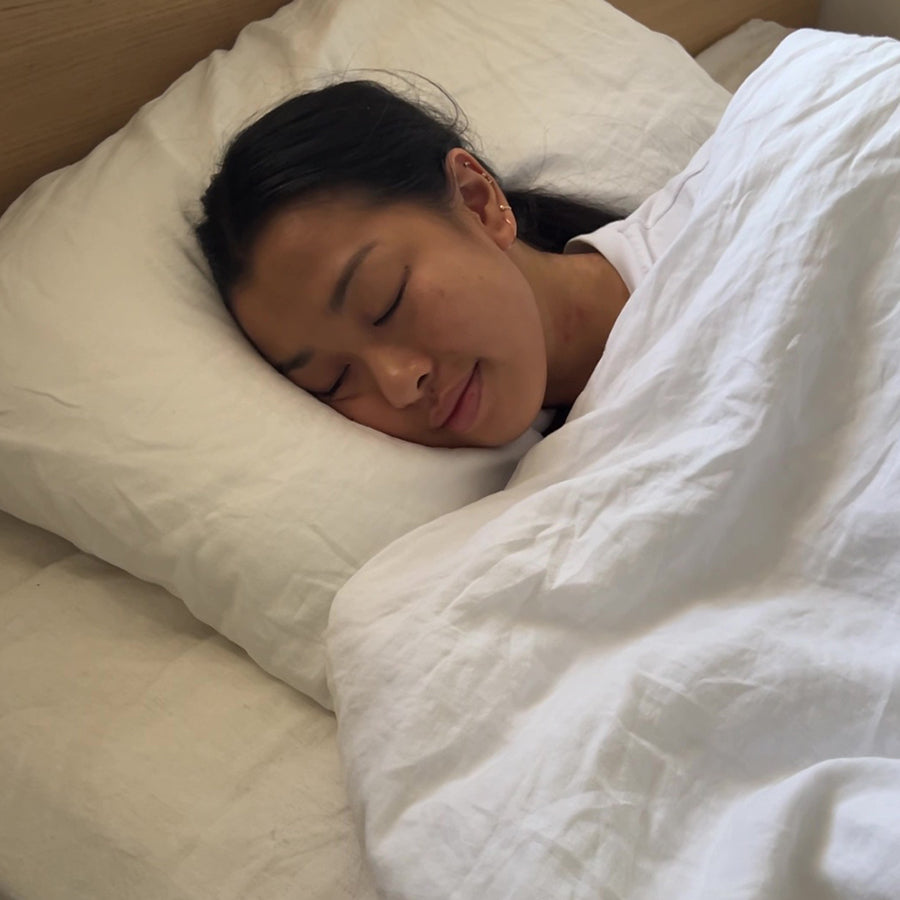
How My Blackout Works for Night Shift Workers
My Blackout was designed from the ground up to be fast, portable, and completely non-invasive. There are no screws, no rails, no brackets, and no damage to your walls or window frames. The entire kit weighs just 564 grams and fits in the included carry bag.
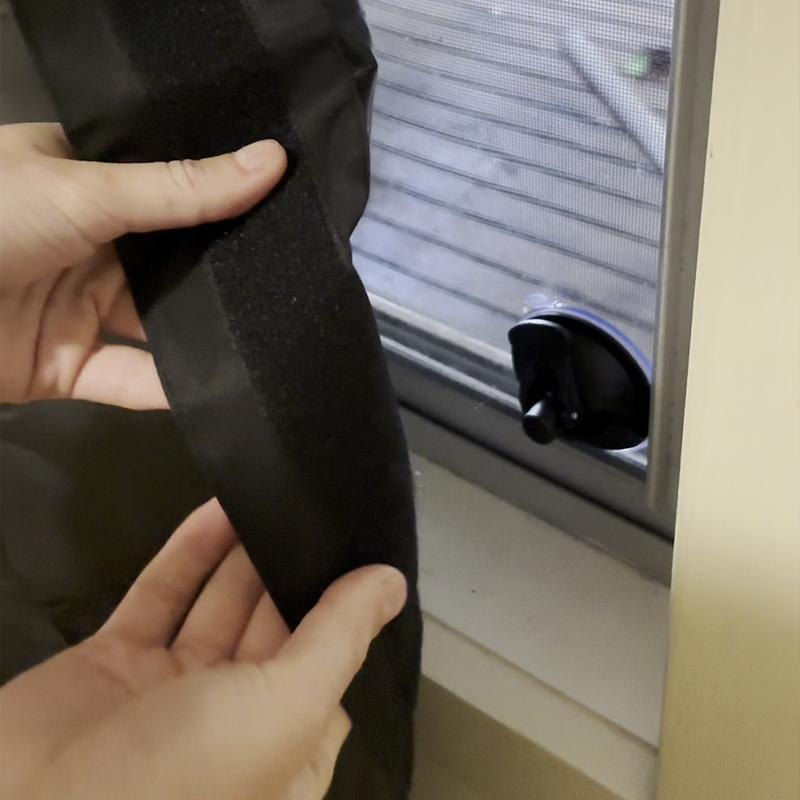
Attach the Suction Cups
Press the industrial-strength suction cups directly onto your window glass. They grip smooth surfaces like glass, tiles, and mirrors with a firm twist-lock mechanism.
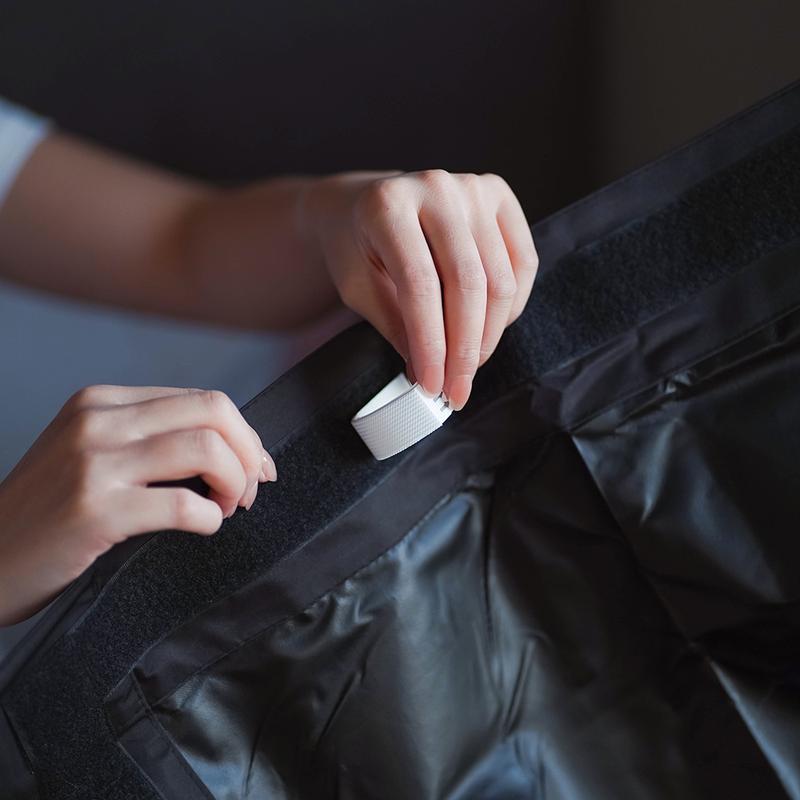
Connect the Velcro Strips
Each suction cup has a Velcro receiver. Simply press the corresponding Velcro strips on the blind fabric onto the suction cups. The hook-and-loop connection is strong enough to hold the blind securely while allowing you to peel it off easily.
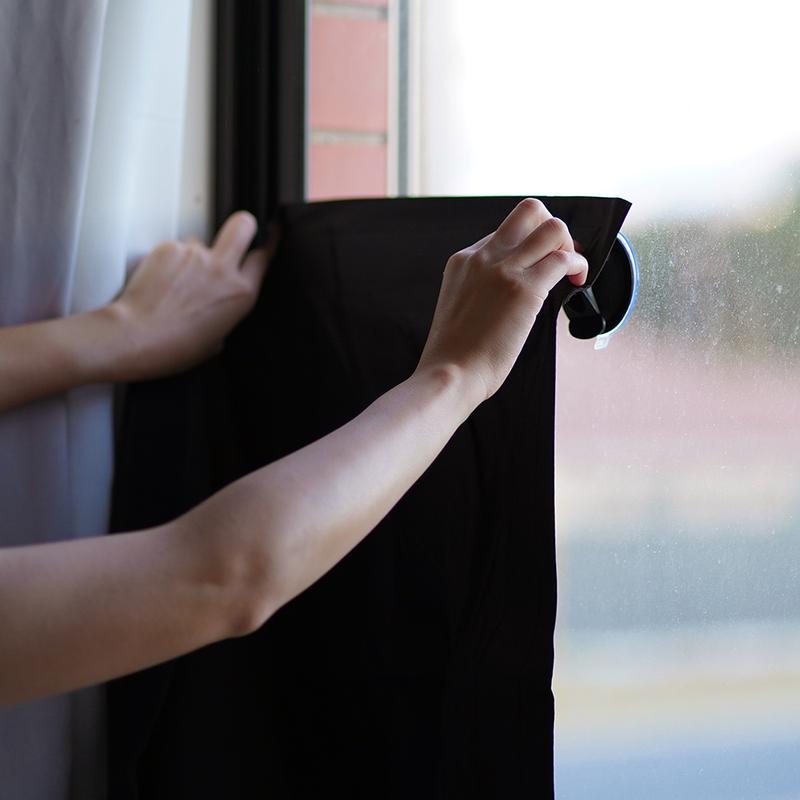
Stretch and Seal
Stretch the blind across the full window, pressing the edges against the glass or frame. The oversized design means the blind extends beyond the window opening, blocking light that would normally leak around the edges.
Total setup time: under two minutes. Total pack-down time: under one minute.
Check AvailabilityTotal Darkness in Under Two Minutes
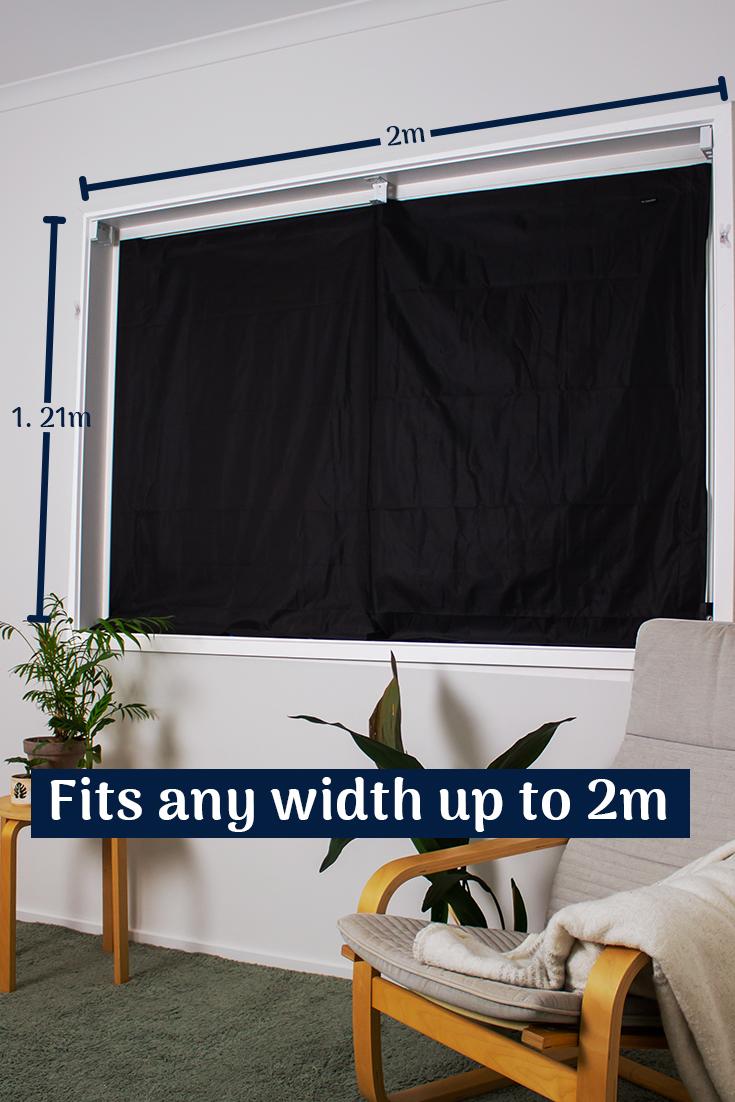
The difference is immediate. Once My Blackout is in place, the room goes from full daylight to near-total darkness. No light leaking around the curtain rail, no bright strips at the edges, and no gradual fade. Just darkness.
Why Shift Workers Struggle to Sleep During the Day
Around 1.4 million Australians work some form of shift work, according to the Australian Bureau of Statistics. That is roughly 15% of the workforce sleeping outside the hours their bodies were designed for. The result is a constant battle against biology.
During daylight hours, even small amounts of light seeping through curtains or blinds signal your brain to stay alert. Your body suppresses melatonin production, your core temperature stays elevated, and your sleep architecture fragments. Instead of progressing through full 90-minute cycles of deep and REM sleep, you wake repeatedly, never reaching the restorative stages your body needs to recover.
Common Problems Shift Workers Face with Light
Standard curtains leave gaps at the edges, top, and bottom. Even blockout curtains from department stores allow light to bleed around the rail. Taping foil to windows works in the short term but damages paint, looks terrible, and peels off in the heat. Eye masks slip off during sleep and create pressure on the face. None of these solutions address the fundamental problem: the room itself needs to be dark.
If you have tried to darken a room for night shift and nothing has worked, you are not alone. The issue is not your willpower or sleep hygiene. The issue is that most window coverings were designed to dim light, not eliminate it.
How Shift Work Affects Your Sleep and Long-Term Health
Shift Work Sleep Disorder (SWSD) is a recognised circadian rhythm condition affecting up to 40% of shift workers, according to the Cleveland Clinic. Symptoms include chronic insomnia when trying to sleep during the day, excessive sleepiness during night shifts, and difficulty concentrating. Left unmanaged, SWSD increases the risk of workplace accidents, cardiovascular disease, metabolic disorders, and depression.
The Role of Light in Circadian Disruption
Your circadian clock is primarily regulated by light exposure through specialised photoreceptive cells in your eyes called intrinsically photosensitive retinal ganglion cells (ipRGCs). These cells are most sensitive to blue-spectrum light, the exact wavelength that dominates during daytime. When light reaches these cells, they signal the suprachiasmatic nucleus (SCN) in your hypothalamus to suppress melatonin and promote wakefulness.
For shift workers, the priority is creating an environment that mimics nighttime conditions during your sleep window. Research published in the Journal of Clinical Sleep Medicine confirms that complete darkness during day sleep significantly improves sleep quality, total sleep time, and subjective restfulness compared to partially darkened rooms.
Why Total Darkness Matters More Than You Think
A 2022 study from Northwestern University found that even moderate ambient light during sleep increased heart rate, impaired glucose metabolism the following morning, and disrupted autonomic nervous system activity. The researchers concluded that sleeping in a room with any visible light, even through closed eyelids, has measurable negative effects on cardiometabolic health.
For shift workers already under physiological stress from circadian misalignment, minimising light exposure during sleep is one of the single most impactful interventions available. It is not a luxury. It is a health necessity.
Why Shift Workers Choose My Blackout Over Traditional Curtains
100% Light Blocking
Unlike curtains that leave gaps at the top, sides, and centre join, My Blackout uses suction cups and Velcro to seal directly against the glass. No light leaks around the edges.
No Installation Required
Perfect for renters, FIFO accommodation, or anyone who does not want to drill into walls. Attach in under two minutes, remove without a trace.
Portable and Lightweight
The full kit weighs 564 grams and packs into the included carry bag. Take it to site accommodation, hotels, or a partner's house.
Works on Any Window Size
Available in multiple sizes to fit everything from small bathroom windows to large bedroom windows.
Reusable and Durable
Made from high-density blackout fabric with reinforced Velcro attachment points. Lasts for years of daily use.
No Damage to Walls
Suction cups attach to glass, not walls. No residue, no marks, no repairs needed. Ideal for rental properties or employer-provided housing.
Built for Every Type of Shift Worker
Shift work is not one-size-fits-all, and neither are sleep challenges. My Blackout is used by thousands of Australian workers across industries where non-standard hours are the norm.
Nurses and Healthcare Workers
Hospital nurses, aged care workers, and doctors rotating through night shifts need quality day sleep to perform safely. Fatigue-related medical errors are a documented risk in healthcare, making darkness during rest periods a clinical priority. My Blackout gives healthcare workers a portable, hospital-friendly solution that works in any room.
FIFO and Mining Workers
Fly-in fly-out workers face a double challenge: irregular rosters and accommodation they do not control. Site dongas and camp rooms often have basic curtains that do nothing against the harsh Australian sun. My Blackout fits easily in your FIFO bag and attaches to any window without damaging the room.
Emergency Services
Police officers, paramedics, and firefighters work unpredictable rosters that shift between days and nights. The ability to darken a room quickly after a night callout makes My Blackout a practical choice for emergency service workers and their families.
Factory, Warehouse, and Transport Workers
Early morning starts at 4 or 5 AM mean going to bed while the sun is still up. Factory workers, forklift operators, and truck drivers doing early shifts benefit from total darkness. My Blackout blocks every last bit of evening light so you can fall asleep earlier.
Hospitality and Retail Workers
Late-night closes, weekend shifts, and split rosters are standard in hospitality and retail. If your sleep schedule changes week to week, a portable blackout solution you can put up and take down in minutes makes more sense than permanent curtain installations.
Best Blackout Blinds for Night Shift Workers: How My Blackout Compares
| Feature | My Blackout | Blockout Curtains | Window Film/Foil | Eye Mask |
|---|---|---|---|---|
| Light blocking | 100% (sealed edges) | 85-95% (gaps at edges) | 90-98% (no edge seal) | Blocks direct light only |
| Installation time | Under 2 minutes | 30-60 minutes (drilling) | 15-30 minutes (adhesive) | Instant |
| Damage to property | None | Drill holes in walls | Adhesive residue on glass | None |
| Portable | Yes (564g carry bag) | No (fixed to wall) | No (semi-permanent) | Yes |
| Rental friendly | Yes | No (requires drilling) | Depends on adhesive | Yes |
| Durability | Years of daily use | Years (fixed install) | Months (peeling) | 6-12 months |
| Price range | $89 AUD | $150-$400 AUD | $20-$60 AUD | $10-$40 AUD |
My Blackout sits in the sweet spot between price, portability, and performance. It delivers near-total darkness of permanent installations with the flexibility of a temporary solution.
Night Shift Sleep Tips: Creating the Perfect Day Sleep Environment
Blocking light is the most important change you can make, but it is not the only one. Here are evidence-based tips to help shift workers build a reliable day sleep routine.
Block All Light Sources
Start with the windows. Attach your My Blackout blind before you do anything else. Then check for other light sources: standby LEDs on electronics, light bleeding under the door, and phone screens.
Manage Noise
Daytime noise from traffic, neighbours, lawnmowers, and deliveries is common. Use a white noise machine or fan to create consistent background sound that masks intermittent noises.
Control Temperature
Your body temperature naturally drops during sleep. Keep the room cool (between 18 and 20 degrees Celsius) with air conditioning or a fan. Blackout blinds also help by blocking solar heat gain through the glass.
Establish a Pre-Sleep Routine
After finishing a night shift, avoid bright screens and stimulating activities for at least 30 minutes before bed. Wear sunglasses on the drive home from night shift to reduce morning light exposure.
Be Strategic with Caffeine and Food
Stop caffeine at least five hours before your planned sleep time. Eat a light meal before bed rather than a heavy one, and avoid alcohol which fragments sleep architecture.
Communicate with Your Household
Let family members, housemates, or partners know your sleep schedule. A simple do not disturb sign on the bedroom door, silenced doorbells, and agreed-upon quiet hours go a long way.
Frequently Asked Questions
Shift work sleep disorder symptoms include chronic difficulty falling or staying asleep when you try to sleep during the day, excessive sleepiness or fatigue during night shifts, difficulty concentrating, irritability, and headaches. Up to 40% of shift workers experience SWSD, according to the Cleveland Clinic. If you notice these symptoms persisting for more than a month, speak with your GP. One of the most effective non-medical interventions is creating a completely dark sleep environment, which helps regulate melatonin production and improve sleep quality.
Standard blinds and curtains leave light gaps at the top (above the rail), the sides (between the blind and the wall), and the centre (where two panels meet). To stop light coming through, you need a solution that seals against the window glass rather than hanging in front of it. My Blackout uses industrial-strength suction cups that attach directly to the glass and Velcro edges that seal against the frame, eliminating all common light leak points.
Research shows a significant link between night shift work and depression. A 2018 meta-analysis published in the Journal of Affective Disorders found that shift workers had a 33% higher risk of depression compared to day workers. The primary driver is circadian disruption. While My Blackout cannot treat depression, improving day sleep quality by blocking 100% of light is one of the most practical steps shift workers can take to reduce circadian stress. If you are experiencing persistent low mood, speak with a healthcare professional.
Night shift workers need the same 7 to 9 hours of sleep as everyone else, according to the Sleep Health Foundation. The challenge is not the amount but the quality. Day sleep is typically lighter, shorter, and more fragmented. Studies show that shift workers average only 5 to 6 hours per day. The single biggest improvement is creating total darkness in the bedroom, which allows the body to produce melatonin and progress through full sleep cycles.
Some shift workers use melatonin supplements to help reset their circadian rhythm, and research supports short-term use. A Cochrane review found that melatonin taken before daytime sleep after a night shift can increase sleep length by about 24 minutes. However, melatonin works best when combined with darkness. Before taking melatonin, consult your GP. Creating a completely dark room with blackout blinds is a non-pharmaceutical first step.
Yes, there is strong evidence linking shift work to weight gain and metabolic disruption. A 2020 study in Obesity Reviews found that shift workers gain an average of 2 to 5 kilograms more than day workers over five years. Improving sleep quality is a foundational step. When shift workers get deeper, more restorative sleep in a fully darkened room, hunger hormones regulate more effectively and energy levels improve for exercise.
The best blackout blinds for night shift workers need to block 100% of light, seal against the window edges to prevent light leaks, and ideally be portable for workers who move between sites. My Blackout meets all three criteria. It attaches directly to the glass with suction cups, uses Velcro to seal the edges, and packs into a 564-gram carry bag.
Press the included suction cups onto clean, dry window glass and twist to lock. Attach the Velcro strips on the blind to the suction cups, then stretch the fabric across the window. The entire process takes under two minutes and requires no tools, drilling, or adhesives.
No. The suction cups grip smooth glass surfaces without adhesives. When removed, they leave no residue, marks, or damage. This makes My Blackout ideal for renters and shift workers in employer-provided accommodation, including FIFO camp rooms and hospital on-call rooms.
Absolutely. The full kit weighs just 564 grams and packs into the included carry bag. It fits easily in a FIFO bag and works on any window with smooth glass, including camp dongas and site accommodation across Australia.